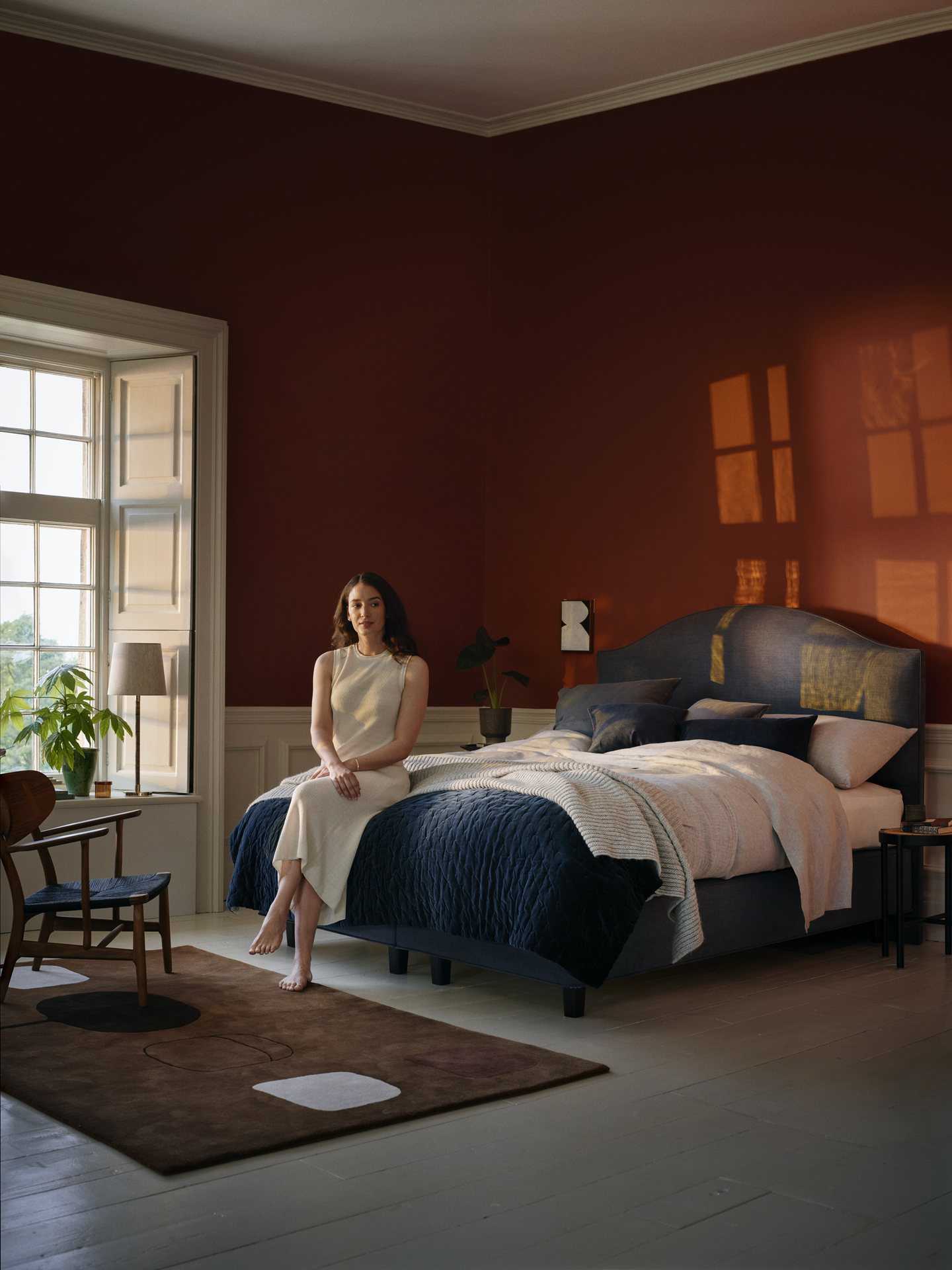
Vispring Devonshire
Experience breathable, year-round comfort with independent-support coils and British wool layers that cushion, regulate temperature, and stay firm edge-to-edge for lasting, individual comfort.
This comprehensive guide blends sleep science with tactile, everyday testing tips to help UK readers evaluate natural latex mattresses. We explore Dunlop vs. Talalay processes, certifications that matter for indoor air quality and sustainability, and a practical buying framework featuring trusted UK brands. Along the way, we meet three influential voices from different eras whose ideas about comfort, resilience, and wellbeing still resonate today.
Latex has long been celebrated for its buoyant, responsive feel. Unlike some foam formulations, natural latex responds to pressure with a lively lift that can support spinal alignment without the sink of memory foams. The core difference lives in production method and material sourcing. There are two primary production methods for latex mattresses: Dunlop and Talalay. Each yields a distinct feel and contouring pattern, influencing how a mattress supports your body through the night.
What makes latex “natural” matters too. A latex mattress labeled as natural or organic often carries certifications that reassure buyers about environmental impact, chemical exposures, and animal welfare. Certifications such as GOLS (Global Organic Latex Standard) and GOTS (Global Organic Textile Standard) are commonly referenced in reputable brands, alongside standard textile certifications like Oeko-Tex for indoor air quality and skin-friendly surfaces. For UK buyers, these certifications translate into a mattress that is not only comfortable but aligned with broader wellness and sustainability values.
In addition to raw materials and certifications, the structure of a latex mattress—the thickness, layering, and edge stability—shapes how sleep feels. A well-designed natural latex mattress typically blends latex with natural fibers like organic wool or cotton to improve temperature regulation and moisture management, creating a sleep surface that remains comfortable across seasons.
Both Dunlop and Talalay latex start as the sap of the rubber tree, but their manufacturing routes diverge. Dunlop latex is poured into a mold in a single, denser block. It tends to be slightly denser at depth with a firmer overall feel that some sleepers describe as supportive and resilient. Talalay latex, by contrast, undergoes a three-phase process—filling, partial vulcanization, and flash-freezing before final curing—resulting in a softer, more uniform feel with a lighter pressure-relief quality. For those seeking a mattress that offers buoyant lift and ease of movement, Talalay often delivers a softer initial feel while preserving supportive boundaries; Dunlop can feel more consistently supportive from edge to edge.
In practice, many premium latex mattresses combine layers of both methods to balance contouring and support. The right mix depends on your weight, sleeping position, and whether you prioritise pressure relief for the shoulders and hips or stable spinal alignment along the night.
When evaluating latex mattresses, look for certifications that address the core concerns of health, safety, and sustainability. GOLS confirms organic latex materials; GOTS validates organic textiles used in the mattress cover and padding layers; and Oeko-Tex certification covers chemical safety for fabrics in direct contact with skin. Beyond certification labels, consider independent testing or third-party sustainability disclosures from brands. A mattress that carries robust certifications is more likely to maintain healthy air quality in the bedroom and align with broader wellness goals.
In the UK market, you may also encounter brand-specific sustainability claims. The important thing is to verify that certifications cover the materials directly used in the sleep surface and that they reflect current, reputable standards. This helps ensure that the mattress you choose not only feels good but also supports a healthier indoor environment over years of use.
Step 1: Define your priority—pressure relief, temperature neutrality, or a balance of both. Step 2: Evaluate core materials—look for GOLS-certified latex, and consider the cover's fabric certifications (GOTS/Oeko-Tex).
Step 3: Assess the layering strategy—how many layers of latex, what other natural materials are used (organic cotton, wool), and whether edge support is reinforced. Step 4: Test for motion isolation and durability—how well the surface maintains loft and shape after repeated use. Step 5: Review warranty and return policies—clarify coverage for durability and any potential off-gassing concerns when unpacked in the home environment.
Hippocrates (Ancient Greece, 4th century BCE) emphasized the body’s need for balance and harmony with daily routines. In sleep terms, he would likely value regularity, light exposure cues, and a stable, supportive surface that allows the body to restore itself. His approach reminds us that the best sleep surface respects the whole person—not just the moment of lying down, but the rhythm of the day that leads to rest.
Florence Nightingale (Victorian Era, 19th century) championed hygiene, environment, and comfort. Her ethos translates to the modern bed: a sleep environment that is clean, well-ventilated, and designed to reduce disruption. A natural latex mattress with breathable fabrics echoes Nightingale’s insistence on environment as a health determinant, offering a practical link between health history and contemporary materials.
Virginia Woolf (Modernist Era, 20th century) wrote about perception, texture, and the inner life. Her perspective invites readers to consider how a sleep surface feels in the body and how quiet, resilient materials contribute to a calmer mind. When you choose latex with thoughtfully chosen natural coverings, you’re curating a private sanctuary that supports mental and physical wellbeing in equal measure.

The Devonshire embodies Vispring’s craftsmanship: hand-nested Vanadium steel coils deliver independent support, while three layers of British wool regulate temperature and provide soft, breathable comfort. The ticking, woven from wool and viscose, offers a skin-friendly surface with lasting durability. With options for different tensions, including Soft, Medium, Firm, and Extra Firm, this bed is a prime example of how luxury materials intersect with ergonomic, restorative sleep on an innerspring base.
In a market increasingly focused on sustainability, Vispring demonstrates how premium materials can be harmonised with long-lasting design. The Devonshire shows that a mattress can be both a tactile experience and a source of reliable nightly rest, a rare blend of beauty and function.
To continue building your knowledge, consider these resources and ideas for expanding the guide into a fuller website focused on Sleep Health and Mattress Education (Direction A). Topics might include:
The aim here is to present sleep health as an accessible, evidence-informed practice that respects both the science of sleep and the sensory experience of rest. By pairing rigorous information with practical testing tips and a curated product spotlight, this guide invites readers to approach mattress selection with curiosity and confidence. The UK focus ensures the advice is grounded in local realities—availability, regulations, and cultural preferences—so you can navigate the market with clarity.

