Kapok is a lightweight, plant-based fiber used in bedding, especially pillows. Harvested from the seed pods of kapok trees, the silky fibers are naturally buoyant and airy, helping create a soft, lofty feel. Understanding kapok’s texture and characteristics can help people compare natural pillow fillings with latex and other materials.
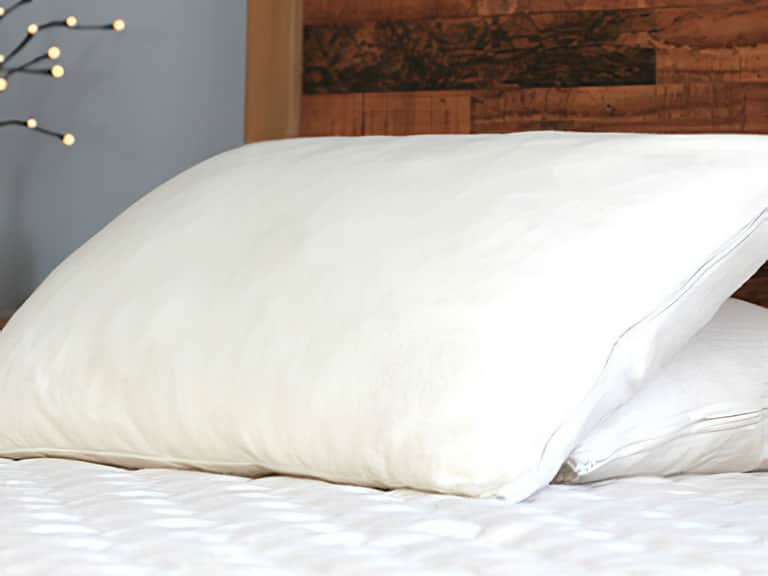
The Savvy Rest Organic Kapok Pillow features kapok filling designed to provide cushioning while remaining light and resilient. Its natural loft gives the head and neck a comfortable resting surface, while the breathable fiber structure can support airflow. Pillow comfort depends on personal preference, sleeping position, and the amount of support required.
Kapok pillows are relevant to people seeking natural materials in their bedding. Compared with denser fillings, kapok is known for its soft, springy feel and low weight. These qualities distinguish it from latex, including natural latex used in organic mattresses, which has a more substantial, responsive structure.
When assessing a kapok pillow, consider its loft, firmness, cover fabric, and care instructions. A pillow’s shape and support can influence comfort for side, back, or stomach sleepers, though individual needs vary. Checking product details helps clarify whether a particular design suits preferred sleeping habits and bedding requirements.
Kapok is one option within the wider category of natural bedding materials, alongside cotton, wool, and latex. The Savvy Rest Organic Kapok Pillow illustrates how plant-based filling can be used for lightweight cushioning. Comparing materials, construction, and maintenance needs supports informed decisions about pillows and organic mattresses.
 Bedding